
"china coffee"
21000 article(s) found
This is what foreign media say about China's coffee market.
Coffee started relatively late in China, in the early days, only high consumers or returnees were interested in going to the cafe for a drink, and with the passage of time, the domestic coffee market has undergone earth-shaking changes. As an important part of the world coffee market, China has attracted the attention of foreign media. Let's take a look at the coffee market in the eyes of foreign media. Recently, foreign media said that coffee is

China coffee development history China coffee growing area China Yunnan coffee Yunnan coffee delicious
In terms of natural conditions, many areas of our country are very close to Latin America, South America, India, Indonesia and other places, and have innate conditions for coffee cultivation, but traditional culture and living customs restrict the development of coffee in China. Until recent years, with coffee more into the lives of ordinary Chinese people, with the impact of foreign culture and lifestyle, coffee cultivation only

How to grow Coffee in Yunnan Coffee Industry in China where is it suitable to grow Coffee in China
Professional baristas Please follow the Coffee Workshop (official Wechat account cafe_style) when it comes to China, the image of tea is still strong. However, now that the profit margin of coffee production exceeds that of tea, China's coffee industry is becoming more and more active. Let's take a look at the lesser-known history of China's coffee industry. The transformation from tobacco to coffee it is said that Yunnan Province is grown in China.
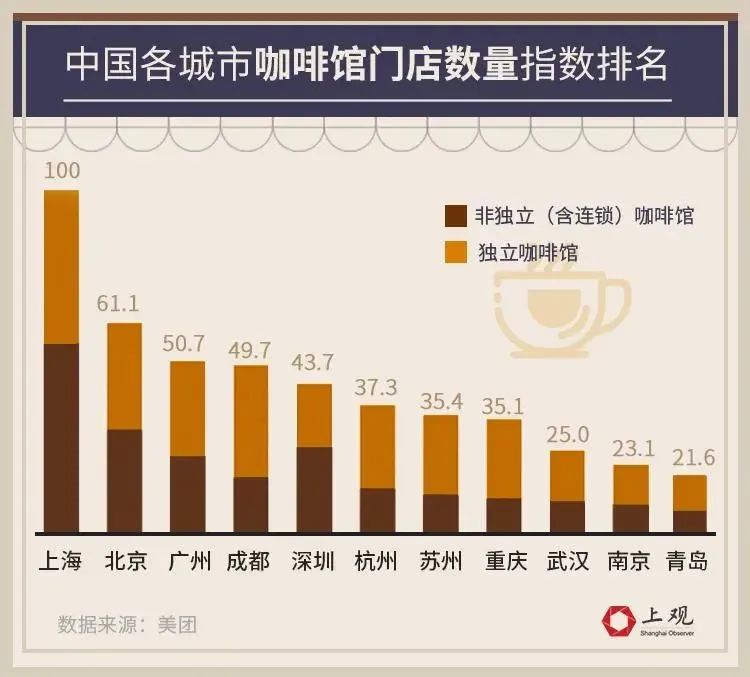
The number of cafes in China has exceeded 100,000
By the end of 2020, the number of cafes in China has exceeded 100,000, according to a report entitled "White Paper on China's Freshly Ground Coffee Industry"(referred to as "White Paper") released by Deloitte China and Mu Mian Capital. The report shows that there are currently 108,000 cafes in China, mainly distributed in second-tier cities and above, accounting for 75% of the total. According to relevant data,

In the next decade, China will become one of the countries with the largest coffee sales in the world.
The large-scale destruction of instant coffee by beverage bosses and functional drinks Nestl é did not stop beverage companies from being enthusiastic about the coffee market. Starbucks, Master Kang and China Resources Yibao have said that they will deeply cultivate the coffee and functional drinks market.
Development of Coffee Culture in China
In the process of globalization, Western culture has also spread in China. Take coffee culture as an example. In the earliest days, drinking coffee was a western culture, but now it is already a global culture, but each region still has its own unique characteristics. Take espresso, for example, it has established its own brand and formed its own unique coffee culture in China.

China's coffee imports and exports showed an upward trend, an increase of 41.9% over the same period last year
Vietnam is the main source of coffee imports for our country. In 2011, coffee imports from Vietnam reached US$67.713 million, accounting for 52.15% of total imports, followed by the United States, Indonesia and Italy. China Business Intelligence Network data show that in 2011, the top three export destinations of coffee in China were Germany, the United States and Belgium, accounting for 31.99% of the total export volume respectively.

Vietnam is the largest importer of coffee from China.
Vietnam and Malaysia have been the main sources of coffee imported from China since 2002, the Viet Cong Electronic News reported on September 25. Vietnamese coffee accounts for 90% of China's total coffee imports from ASEAN countries. According to Vietnamese customs statistics, China imported 137000 tons of coffee between 2007 and 2011. Of this total, 103900 tons were imported from Vietnam, with the import value reaching 195 million US dollars, accounting for China's total.

Why can't Starbucks find a strong competitor in China?
Professional barista exchanges follow Coffee Workshop (Wechat official account cafe_style) China's Wanda is openly challenging Disney; Uber has invested 2 billion dollars against DiDi; Adidas has been fighting Li Ning and Anta for many years; Apple is playing against a number of emerging competitors in China (Xiaomi, Huawei, Oppo, etc.). There is always a phenomenon in the

Is there really a trillion-dollar coffee market in China? Three great opportunities for the coffee market in the future!
Professional coffee knowledge exchange More coffee bean information Please pay attention to coffee workshop (Weixin Official Accounts cafe_style) interpretation: At present, the coffee market scale in China is about 110 billion yuan, far away from the total market volume of 1 trillion yuan. In response to the old saying, there is a long way to go for the take-off of China's coffee market. China's coffee market is big enough and profitable enough

The spread of Coffee in China China's own unique coffee culture
According to historical records, coffee trees were first planted in Taiwan in 1884, and coffee cultivation in mainland China began in Yunnan. In 1902, a French missionary named Tian introduced seeds from Yinggong County in Binchuan County, Yunnan Province. it was successfully planted in a place called Zhu Kula, which is located on the bank of the Yushan River, a tributary of the Jinsha River. The commercial cultivation of coffee in Yunnan began in 1985, but its development is slow.

Canadian Maple Leaf Coffee Tencent invests in Tim Hortons China plans to list tim several in China
These days, there is a lot of news about Tim Hortons China (hereinafter referred to as: Tims China) on the Internet, because it plans to go public! A meal is as fierce as a tiger! This is really awesome! As we all know, Tim Hortons is a well-known coffee chain in Canada. In February 2019, Tims China officially entered the Chinese market and opened its first store in Shanghai, 2020.

China Coffee Network Coffee Development History of China Coffee Story of Yunnan, China
According to historical records, coffee trees were first planted in Taiwan in 1884, and coffee cultivation in mainland China began in Yunnan. In 1902, a French missionary named Tian introduced seeds from "Yingong" in Binchuan County, Yunnan Province. it was successfully planted in a place called Zhu Kula, a tributary of the Jinsha River.

When was coffee introduced into China? when did coffee become popular in China?
The history of the introduction of coffee into China is not long, and it was not until 1884 that coffee was first planted in Taiwan Province. In the mainland of the motherland, the earliest coffee cultivation began in Yunnan. At the beginning of the 20th century, French missionaries brought the first batch of coffee saplings to Binchuan County, Yunnan Province, and began to grow coffee in the mainland. Chinese people have been drinking tea for thousands of years.

Does Yum sell coffee in China? Yum China and Italian coffee LAVAZZA will open 1000 coffee shops.
When it comes to selling coffee, Yum China is also ambitious. Yum China and LAVAZZA, the founder of espresso, have announced the opening of 1000 stores by 2025, according to media reports. Yum China and Lavazza have accelerated their expansion in the coffee market through a joint venture, and it is reported that the two sides will jointly inject US $200 million into the joint venture to provide funds for future development. In addition

Lack of pricing power in China's coffee industry Chinese coffee pricing Yunnan coffee production area market
Coffee has become an indispensable commodity in people's lives, such as leisure, relaxation, meetings, negotiations, and so on. In recent years, the coffee market I have experienced has grown sharply, and no national giant dares to despise the Chinese market. However, what is not commensurate with having a huge market is that China's original coffee lacks pricing power and can only fluctuate with the fluctuation of international market prices. Lack of coffee industry in China
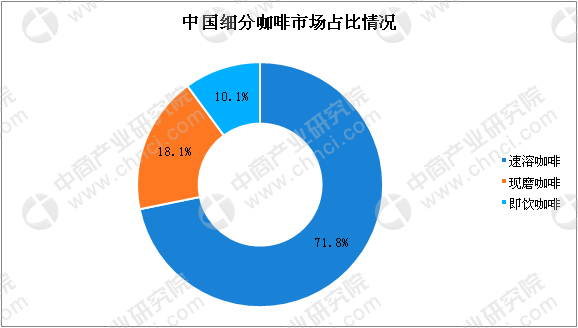
Annual data Analysis and Forecast of China's Coffee Market: instant Coffee Market share exceeds 70% (figure)
Professional coffee knowledge exchange more coffee bean information please follow the coffee workshop (Wechat official account cafe_style) China Business Intelligence Network News: with the improvement of our people's living standards and growing awareness of coffee culture, coupled with the huge demographic dividend, stimulate domestic coffee consumption. At present, China's coffee market is entering a stage of rapid development.

Starbucks responded to China's profiteering and self-rounding selling price is 10 times the cost of materials.
The price is nearly 10 times the cost of materials. Even the price of a mug made in China is nearly half more expensive than that in the United States. He Tianjiao, the price of a mug made in China is more expensive than that in the United States and other places. It is not only coffee that Starbucks sells Made in China mugs. After adding tariffs and transportation costs, the price in the United States is even cheaper than that in China. Travel to the United States during National Day holiday

Cultural Differences in Coffee Spreading and Development in China
The spread and development of coffee in China; Cultural differences between Chinese and foreign coffee cultures; Comparison of coffee cultures Coffee did not have a long history in China until 1884, when coffee was first planted successfully in Taiwan. On the mainland, the earliest coffee cultivation began in Yunnan. At the beginning of the 20th century, French missionaries brought the first coffee seedlings to Binchuan County in Yunnan Province, and coffee began to be planted on the mainland. From Nature

When was coffee introduced into China? How does coffee spread to China? The development of coffee in China
The history of the introduction of coffee into China is not long, and it was not until 1884 that coffee was first planted in Taiwan Province. In the mainland of the motherland, the earliest coffee cultivation began in Yunnan. At the beginning of the 20th century, French missionaries brought the first batch of coffee saplings to Binchuan County, Yunnan Province, and began to grow coffee in the mainland. Chinese people have been drinking tea for thousands of years.